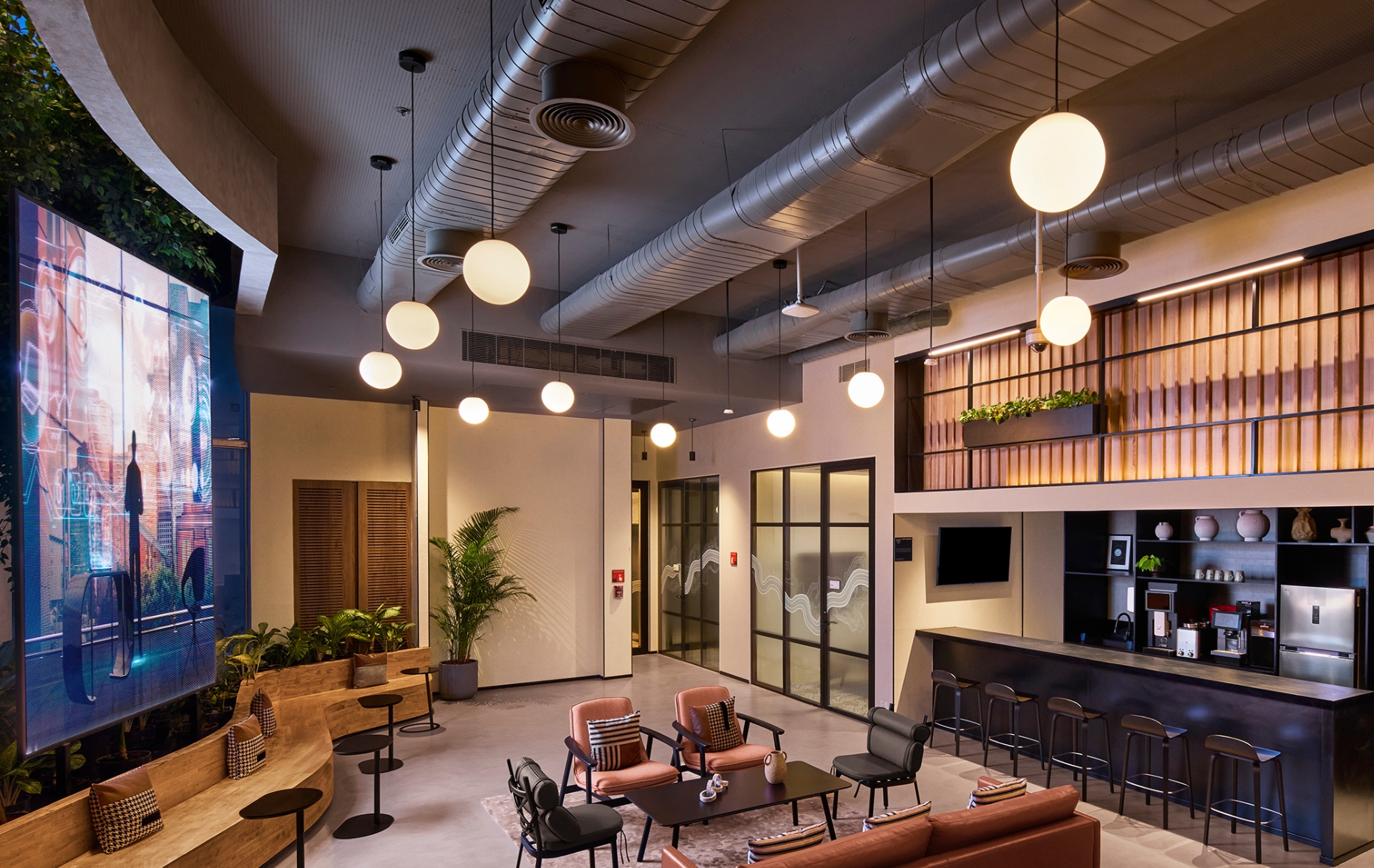
Workplace Identity and Efficient Output: Achieved Through Strategic Design
Every organisation has an identity: a unique set of values, culture, and aspirations that define who it is. Yet translating that identity into the physical spaces where people spend most of their working hours remains a challenge. A workspace should be more than a functional container for desks and meeting rooms; it should be a living expression of what the company stands for, shaped through design choices like how open or private the environment feels, how teams are grouped, how movement flows through the space, and how global or local cues guide the overall atmosphere.
At Concept Consilio, the approach to workplace design is rooted in a fundamental belief: spaces must do more than accommodate work; they must amplify organisational culture and create meaningful experiences. The challenge lies in translating abstract values into tangible elements that employees encounter daily, whether through spatial layout, material choices, or the way circulation encourages collaboration. The firm’s methodology is guided by curation, materiality, and sustainability, ensuring that every design move supports the company’s identity and its geographical context. When aligned with intent, an office becomes a tool for communication, connection, and inspiration, where culture is truly lived.
Commercial interior expertise extends beyond aesthetics, which means understanding how space shapes behaviour. It involves creating environments where design naturally carries the organisation’s values, making the workspace function as a physical and strategic extension of who they are.
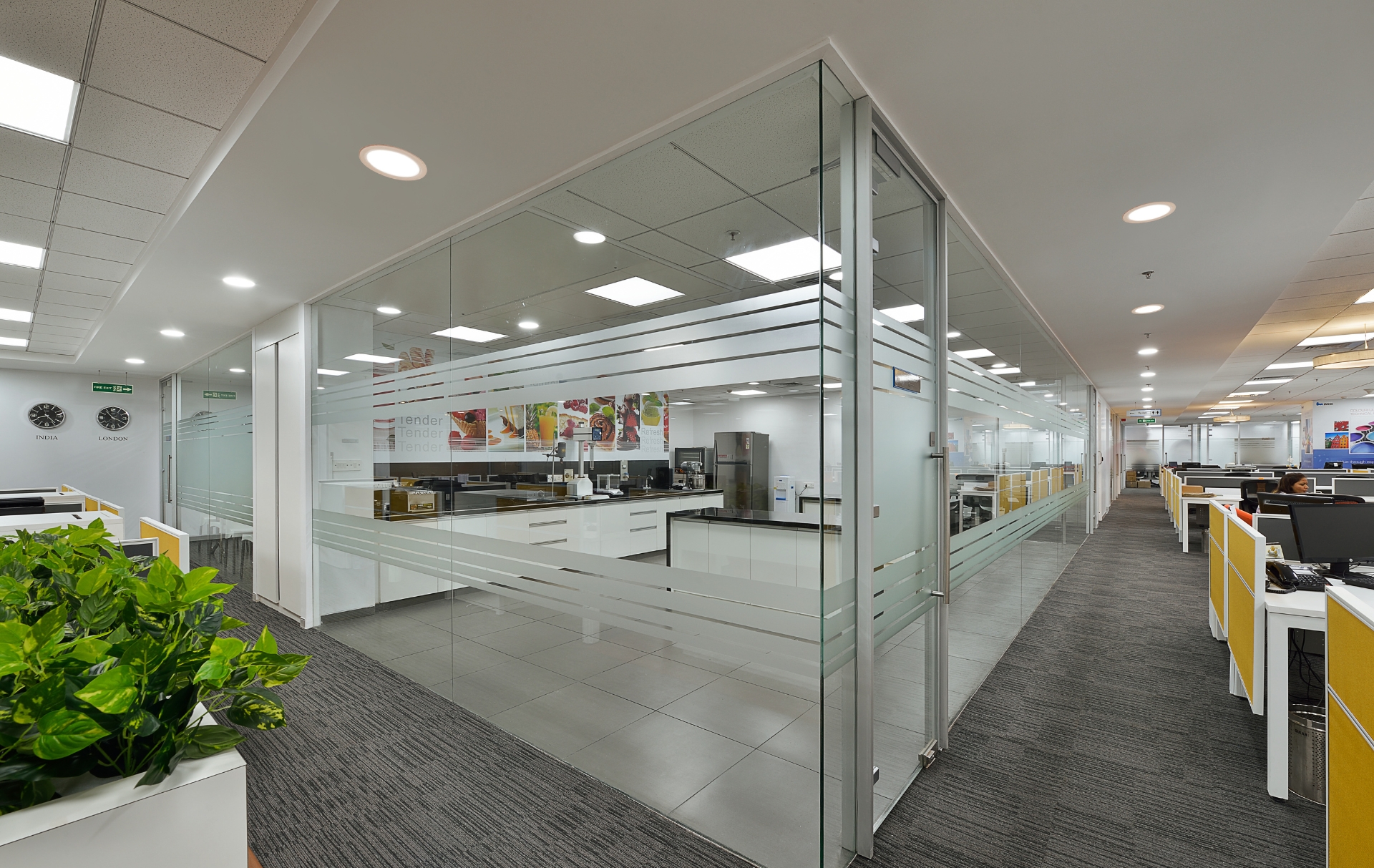
Designing what a client envisions must harmonise with the cultural and geographical context of the location, for instance, Concept Consilio’s project, like the design for an MNC Bank’s office. Each balances global consistency with contextual design references: approximately 80 per cent universal language, 20 per cent local resonance. At another project- IMCD, this equilibrium was achieved through careful integration of local elements while maintaining design cohesion. A high repeat clientele is a testament to how well this balance translates across projects.
The language of a space speaks through many layers. Visual elements such as typography, shapes, colours, and images are applied to glass surfaces as environmental graphics, and these choices are linked to the office’s location. Location is important because it helps the space feel relevant to the people who use it. It reflects the city they work in, aligns with local context, and ensures the environment doesn’t feel disconnected.
Materiality, Artistry, and Spatial Experience
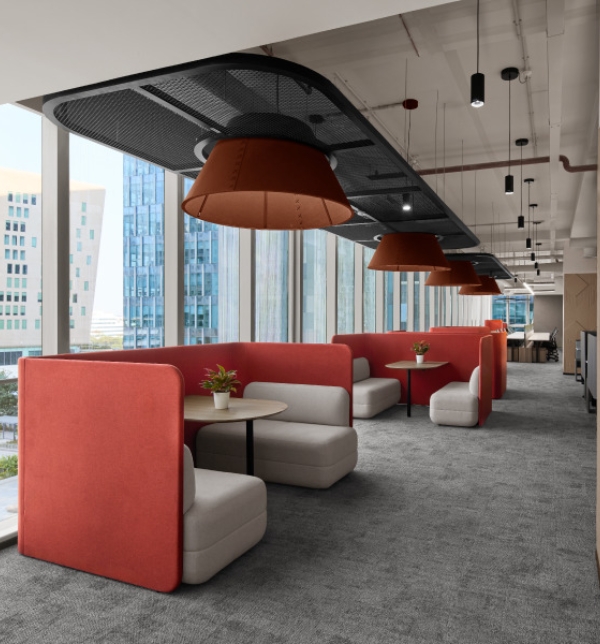
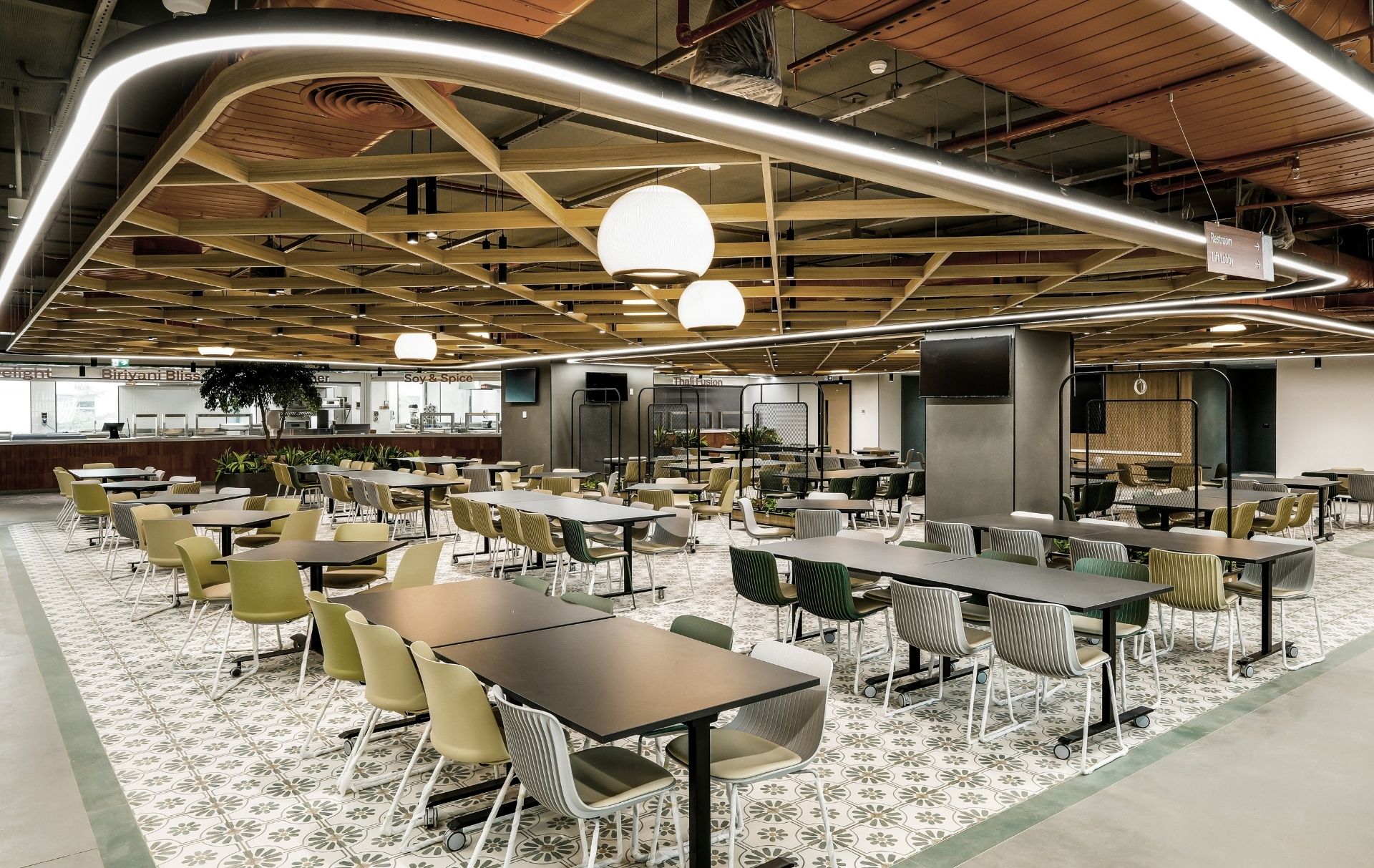
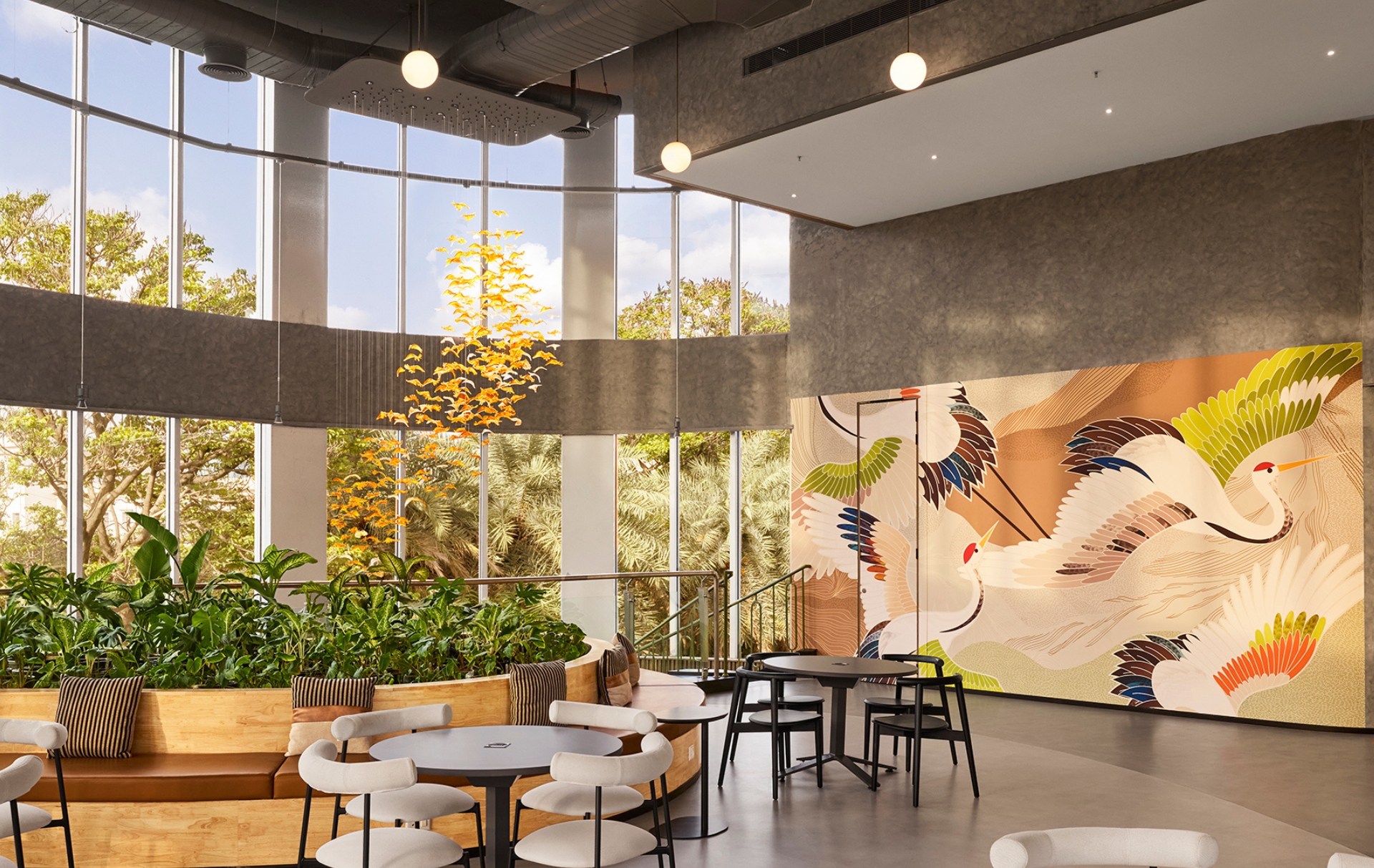
Materiality plays a crucial role in human-centric interiors. Upholstery in furniture and curtains, ceiling elements, carpets: these become canvases for subtle storytelling. Earthy tones and sustainable workspace materials communicate environmental responsibility when thoughtfully understood and integrated into commercial design.
Built forms themselves can be powerful statements. At the Nielsen office in Bangalore, meeting rooms featured larger-than-life elements: distinctive cladding, sculptural chandeliers that embodied the organisation’s innovative spirit. The shape of a space, the choice of materials, and the interplay of light and texture become physical touchpoints that transform abstract values into tangible experiences. This is where design for wellbeing meets innovation-driven consulting: creating environments where people don’t just work, but feel genuinely connected to their organisation’s purpose.