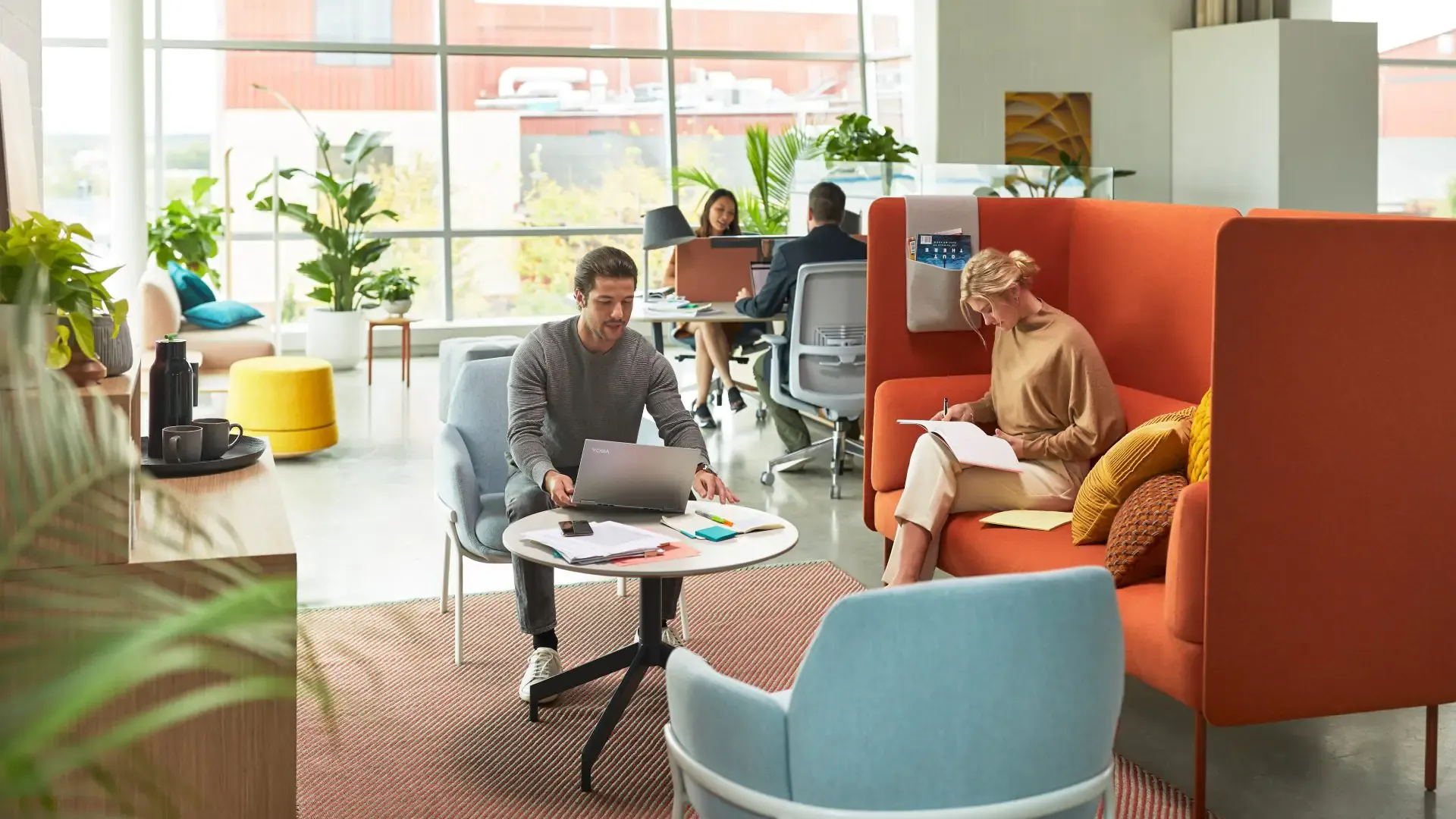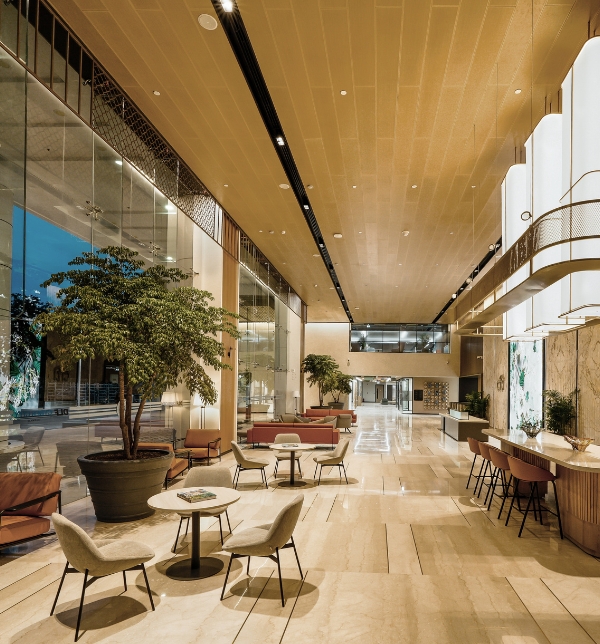

Headphones or High-fives? Human-centric design that empathises how people want to work.
I often tell clients that if you watch how people actually work, you will learn more in one afternoon than from a hundred utilization reports.
In almost every workplace design I have been part of, the day moves in waves. Mornings lean towards quiet and clarity. People want control, the ability to settle into work without interruption. As the day builds, energy shifts. Questions surface, conversations start, ideas are tested out loud. By afternoon, collaboration either peaks or people seek focus again, depending on the task and the role.
Still, many workplaces are designed as if everyone operates in a single, fixed mode.
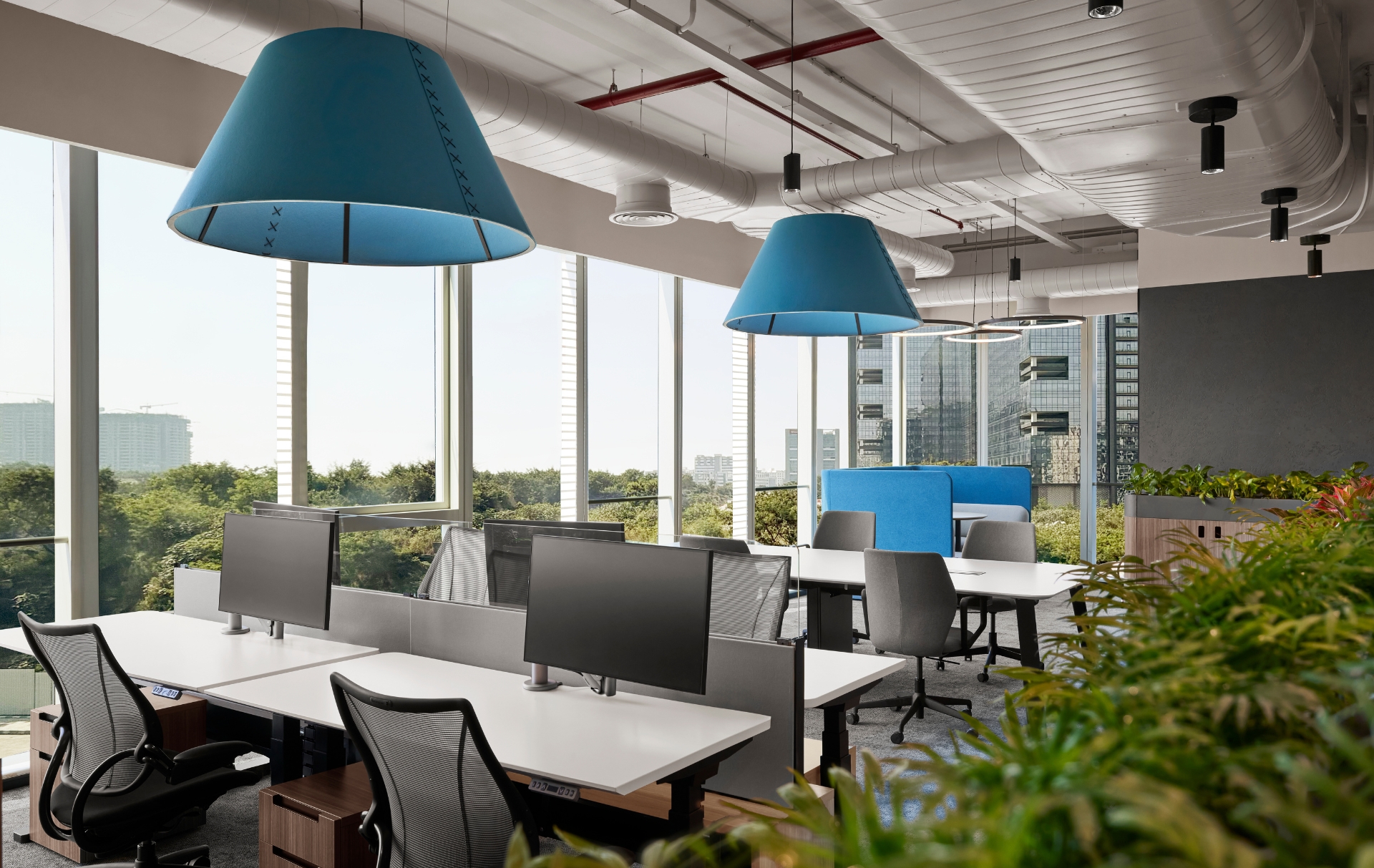
That disconnect is at the heart of why offices often feel noisy, exhausting, or strangely underused. The real challenge is not choosing between focus and collaboration. It is designing spaces that allow people to move naturally between both.
Spaces intended for focused work should feel calm the moment you step into them. This has less to do with isolation and more to do with clarity. Visual noise reduces. Materials soften. Acoustics are considered. These environments give people permission to concentrate without feeling cut off from the life of the office. When focus zones feel protected but connected, they are used more consistently.
Collaborative spaces need a different kind of confidence. They work best when conversation feels expected rather than tolerated. Locating them close to movement paths, near daylight, and in visually open positions helps normalize discussion and interaction. When people do not feel the need to lower their voices or apologise for talking, collaboration becomes easier and more effective.
The most underestimated spaces are the ones in between. Transitional areas allow people to shift gears without jumping abruptly between silence and activity. Project rooms, semi enclosed lounges, and even well designed corridors absorb energy and soften contrasts. They make the workplace easier to navigate, both physically and mentally.
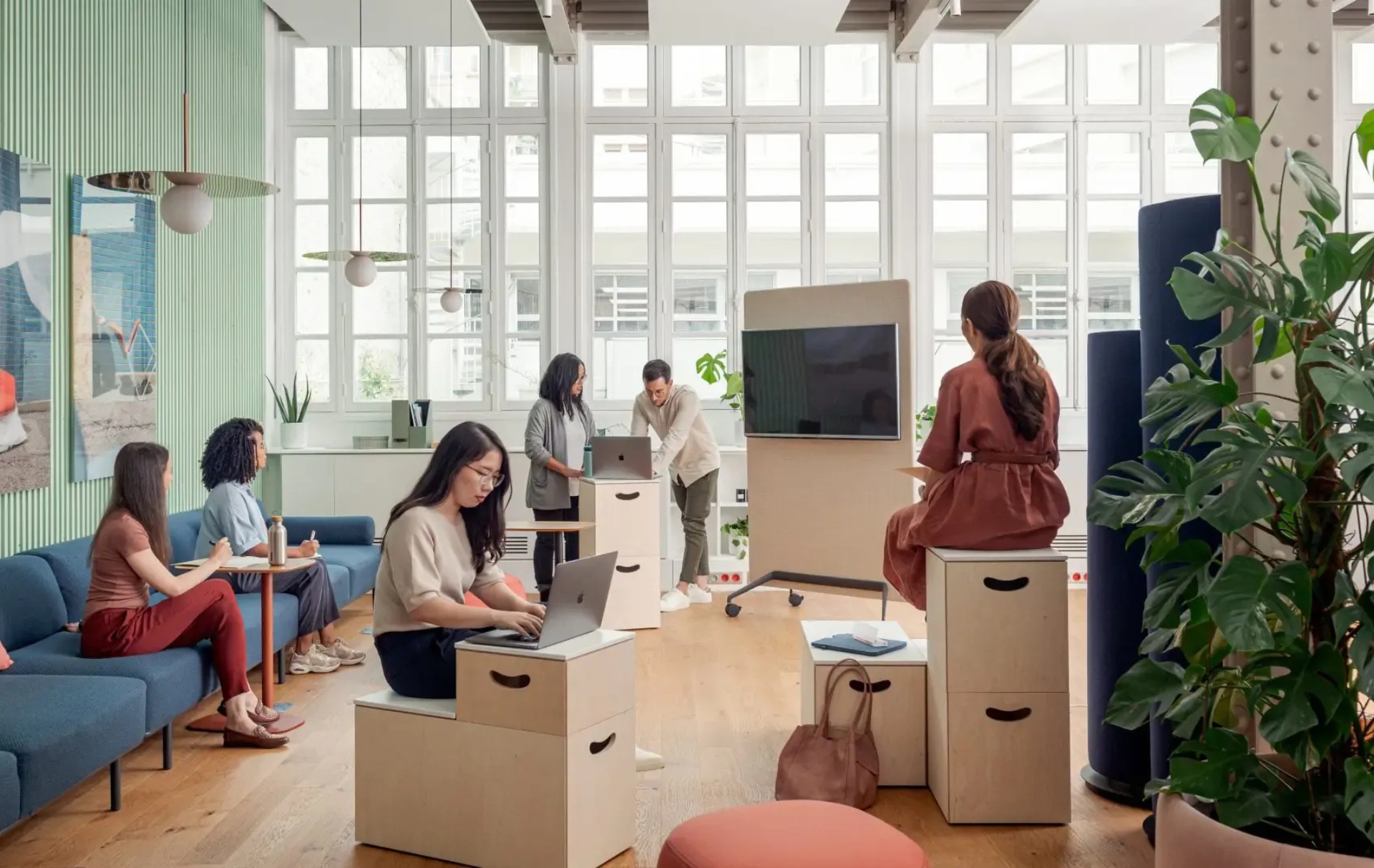
Materials and lighting quietly guide behaviour throughout the day. Upholstered surfaces, warmer tones, and indirect lighting encourage focus and longer stays. Harder finishes, higher volumes, and visual connections raise energy and support interaction. When these cues are consistent, people adjust their behaviour instinctively, without instruction.
Flexibility must be supported by a clear framework. Adaptable furniture and reconfigurable layouts give teams freedom, but cohesion comes from repetition and structure. Consistent materials, restrained palettes, and thoughtful detailing ensure that spaces evolve without feeling temporary or chaotic.
Comfort remains non-negotiable. If a space is visually flexible but acoustically uncomfortable or ergonomically poor, it will simply be avoided. The best workplaces feel effortless to occupy, no matter the work mode.
When design respects this natural rhythm, it does more than facilitate tasks—it unlocks potential. The space itself becomes a silent, intuitive partner to the work. It knows when to offer sanctuary and when to spark connection. In this calibrated environment, the choice between headphones and high-fives is never a conflict, but a sign of a team flowing seamlessly through its day.
That is when workplace design truly thrives.